

Post-Tensioning Materials Supply
Materials Supply for Bonded Post-Tensioning Systems
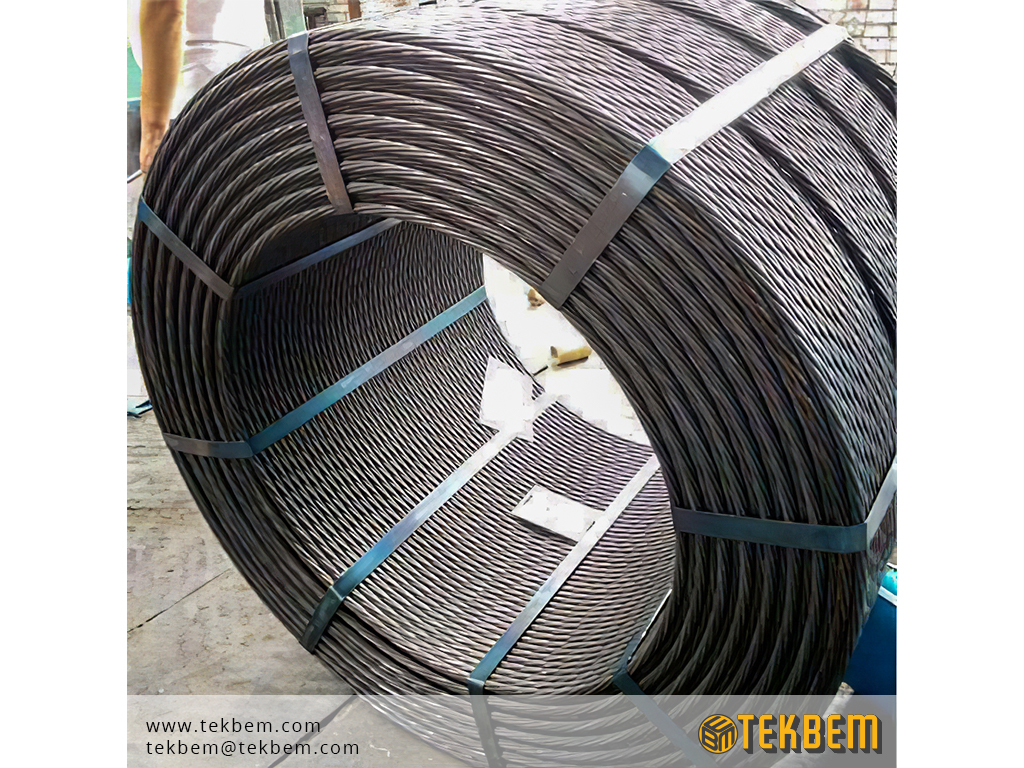
Prestressed Concrete Strand
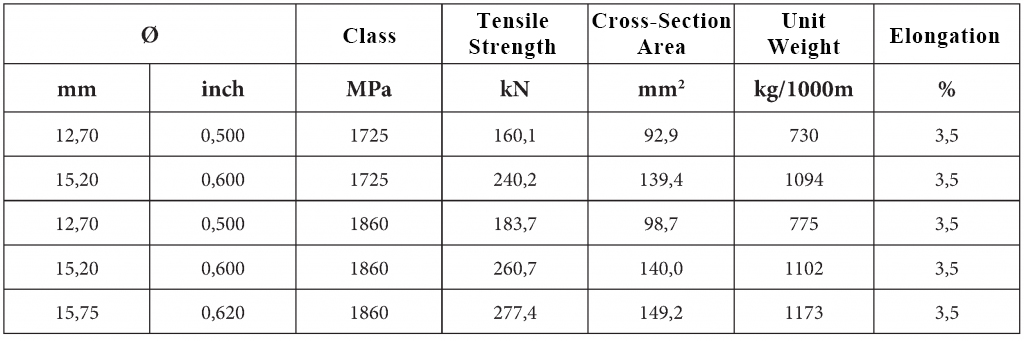
Below are the types and mechanical properties of our prestressed strands manufactured in compliance with EN 10138-3, ASTM A416/A416M-10 standards.
Anchorages
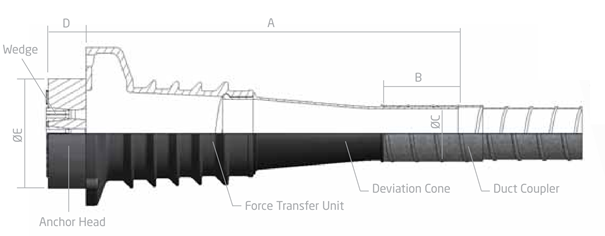
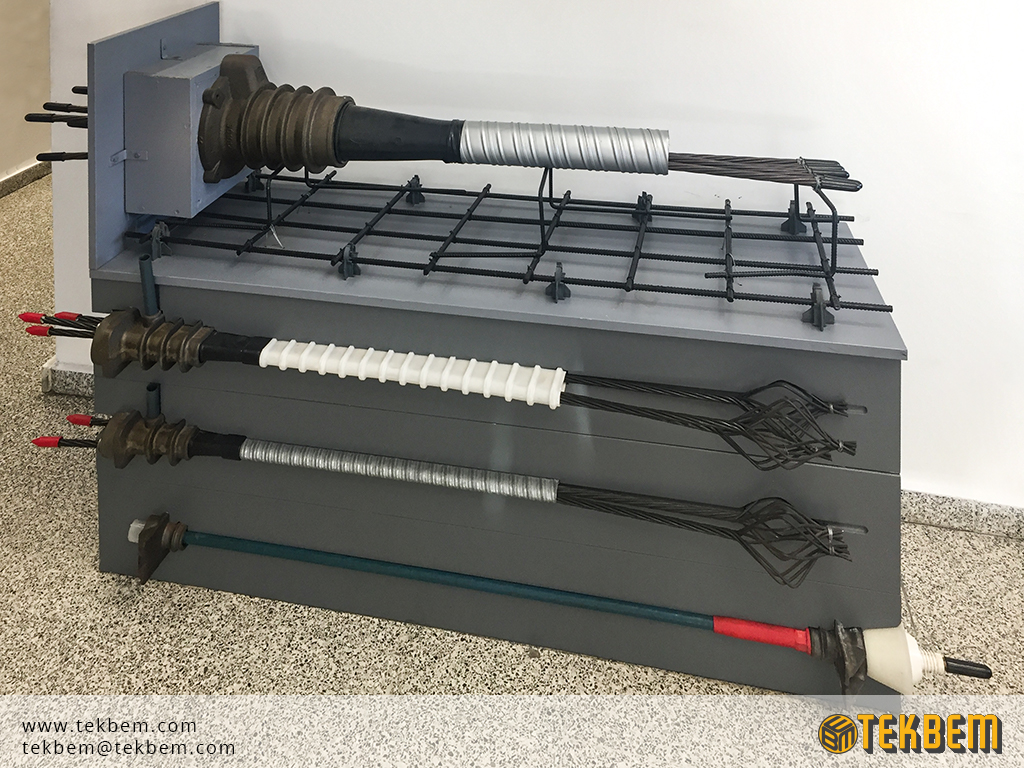
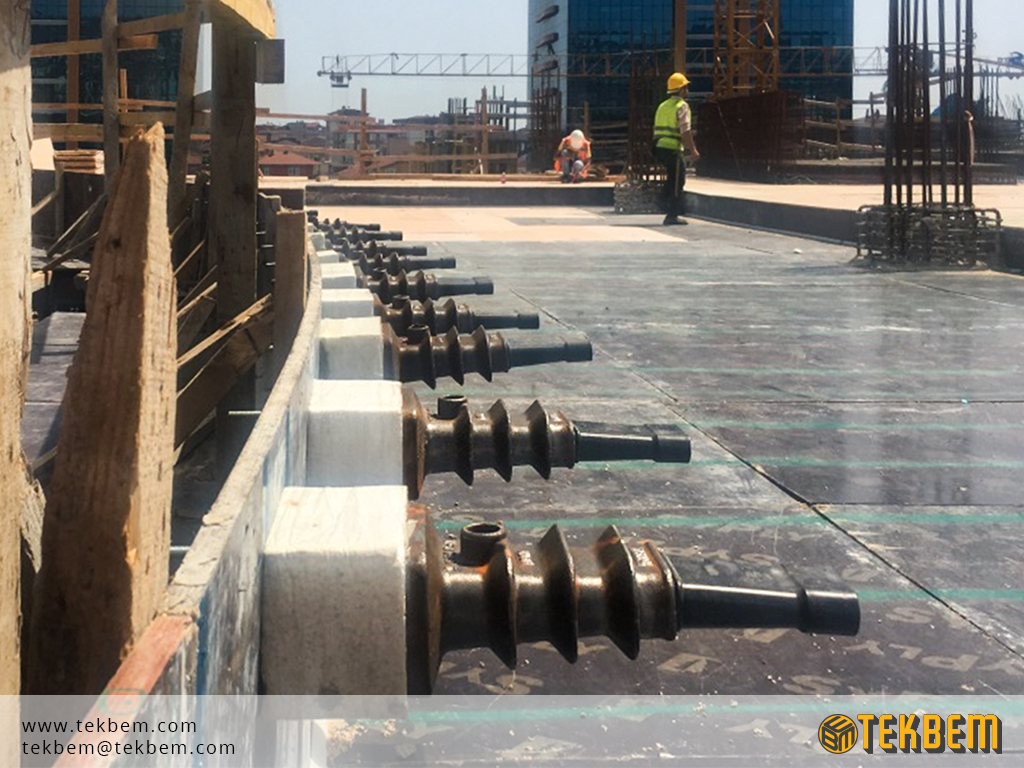
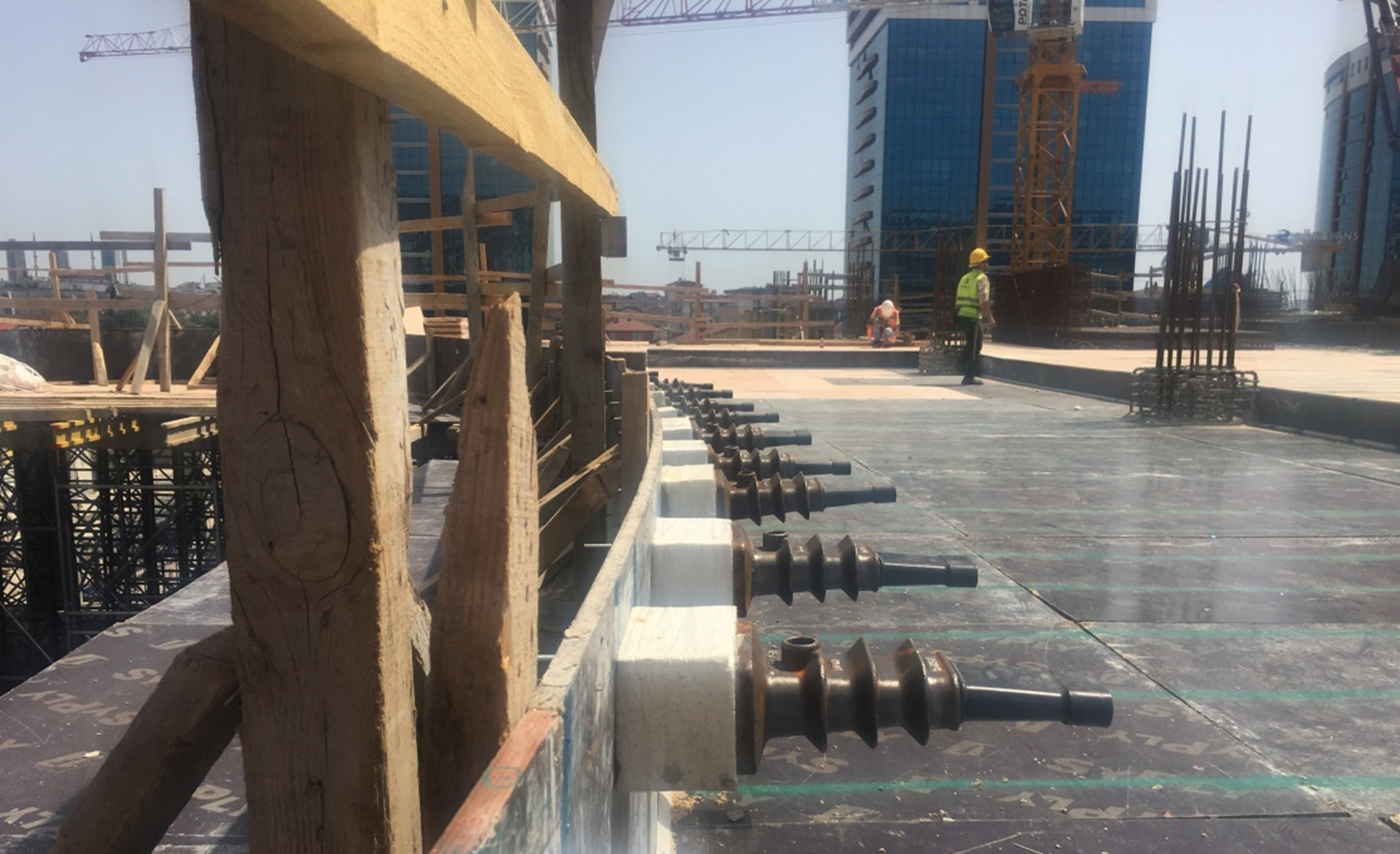
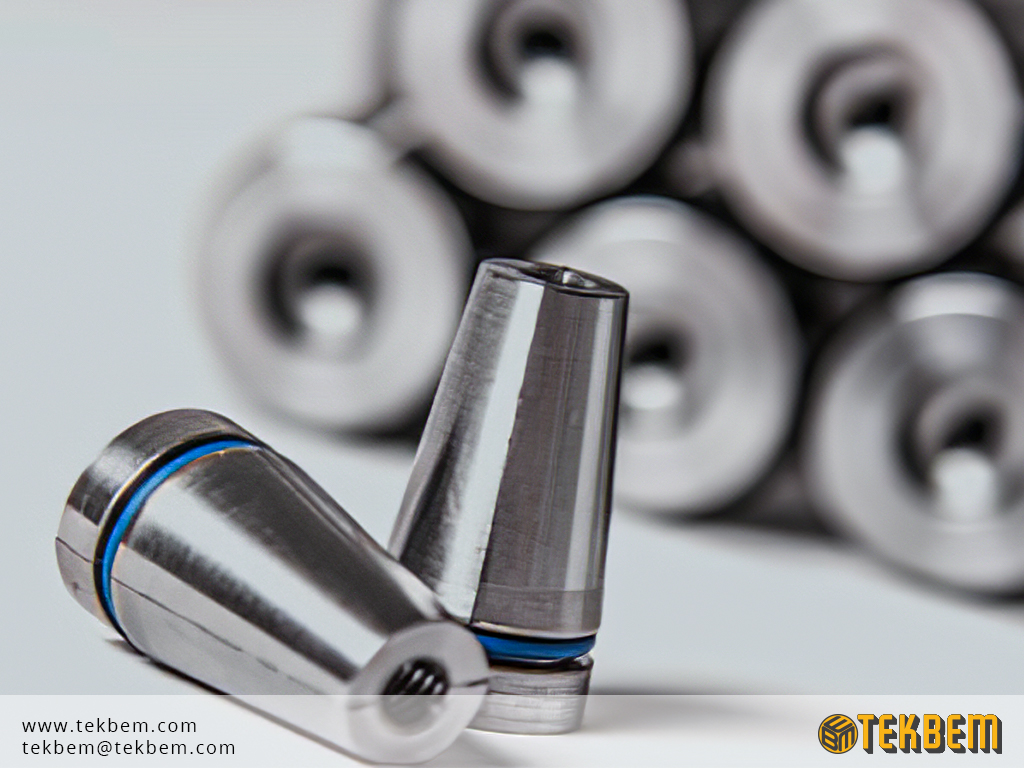
XM Anchorages
The XM Anchorages are primarily designed for longitudinal tendons in beams or bridges. It can be used as active or passive anchorages if they are accessible.
XM Coupler Anchorages
In continuous bridge deck construction, it is necessary to extend prestressing cables as construction proceeds. The first stage of stressing is carried out in the same way as with the standard anchorages except that a coupler ring replaces the anchorage head. When first stage stressing and grouting is complete, the second stage strands are threaded into the wedges. The strand is deviated through a shaped trumpet that also prevents the ingress of concrete during casting.
XF Anchorages
The CCL XF Anchorage is a flat system used mainly in slabs and transversally in bridge decks. It can also be used in transfer beams, containment structures and other civil applications and for 12.70 mm, 15.20 mm and 15.70 mm strands. The system connects bare strands which run through a steel or plastic flat oval duct. The strands are stressed individually using a monostrand Jack.
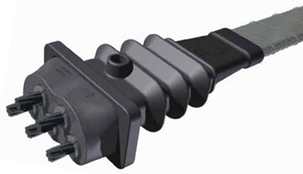
XT Anchorages
These anchorages are predominately used on circular containment structures such as tanks, reservoirs, silos etc. and are stressed using monostrand Jacks. The design allows the tendon to anchor the live end of the anchorage against the passive end, so acting also as a coupler anchorage. The body of the item is cast in a single unit to provide a compact self-contained anchorage.
Corrugated Ducts
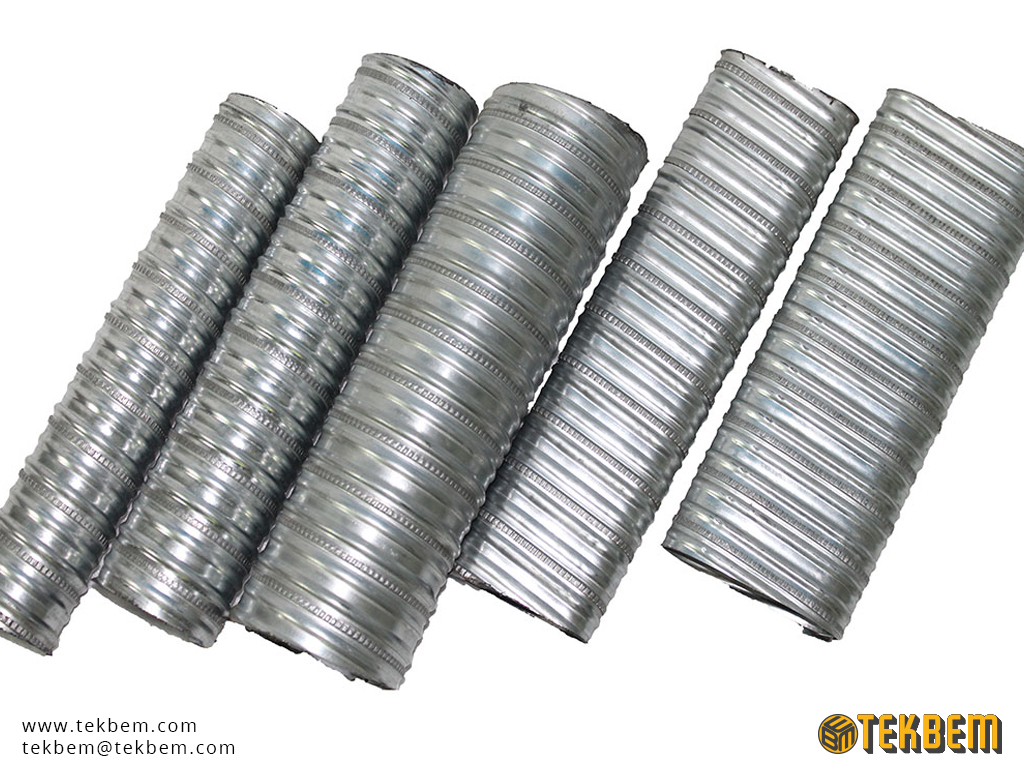
Metallic or polyethylene ducts represent the most economical means to create voids in post-tensioned elements. They provide a secondary protection against corrosion and a good connection between cables and concrete. The primary protection against corrosion is provided by the grouting alkalinity and by concrete itself, the secondary one by the sheath and its protective barrier to the cable.
Metallic ducts are available in different versions. They are made of crimped sheet EN 10139 – 1999 and they can be galvanized. Metallic ducts are available in the following types:
- According to the CE marking to comply with EN 523-524,
- corrugated with a thickness of 0.3 mm, 0.4 mm, 0.5 mm and 0.6 mm.
Polyethylene ducts are available in several versions. They are made of extruded H.D.P.E. according to the FIB Specification. Polyethylene ducts are available in the following types:
- Corrugated with a thickness of 2.00 mm, 2.50 mm, 3.00 mm and 3.50 mm.
Materials Supply for Unbonded Post-Tensioning Systems

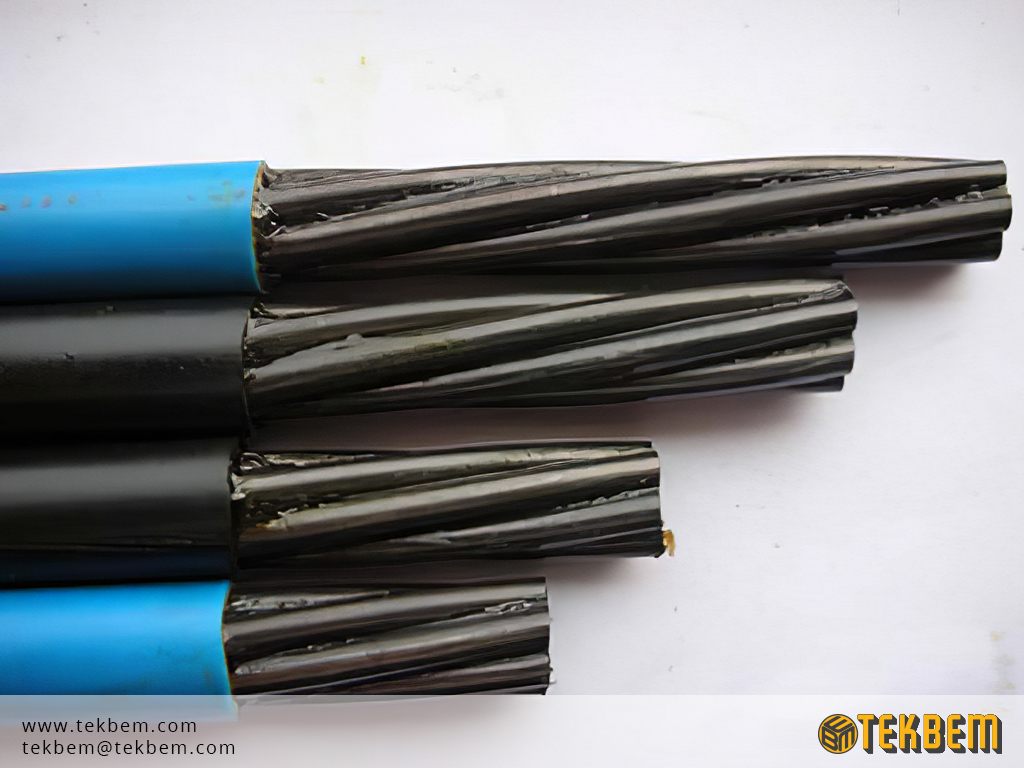
Unbonded Prestressing Strand
Strand Specifications
- Low-Relaxation 7 wire Strand of Class II (Grade 270) with 12.7 mm nominal diameter used in monostrand unbonded post tensioning tendons should conform to the requirements of IS 14268:1995 (reaffirmed 2013)
- Sectional Steel Area of Strand: 98.7mm2
- 0.2% Proof Load: Not less than 165.3kN
- Ultimate Strength: Not less than 1860N/mm2
- Minimum Breaking Force: Not less than 183.7kN
- Modulus of Elasticity: At least 196,500N/mm2
- Minimum Elongation: 3.5% for gage length of 600mm
- Relaxation at 1000 hours: Less than 2.5% @ 70% Minimum Ultimate Tensile Strength
- Nominal Mass of Bare Strand: 0.775 kg/m
Sheathing Specifications
- Sheathing Material: Polyethylene or Polypropylene
- Minimum Density: 0.941gram/cm3
- Minimum Thickness: 1.27mm
- Inside Diameter: At least 0.76mm greater than the maximum diameter of the strand
- Appearance: Sheathing should provide a smooth circular outside surface and should not visibly reveal lay of the strand.
- Coverage: Sheathing should be continuous over the entire length to be un-bonded, and should prevent intrusion of cement paste or loss of PT coating.
Grease Coating Specifications
- Grease coating should provide protection against corrosion to the Pre-stressing steel
- It should provide proper lubrication between the strand and sheathing
- It should resist flow within anticipated temperature range of exposure
- It should provide continuous non-brittle coating at lowest anticipated temperature of exposure
- It should be chemically stable and non reactive with Pre-stressing steel, reinforcing steel, sheathing material and concrete
- It should be a compound with appropriate moisture‐displacing and corrosion‐inhibiting properties
- Minimum weight of the grease coating on the Pre-stressing strand should not be less than 1.14kg per 30.5m (37.4 grams/m) for 12.7mm diameter strand
- The coating material should completely fill the annular space between the strand and sheathing and should extend over the entire tendon length
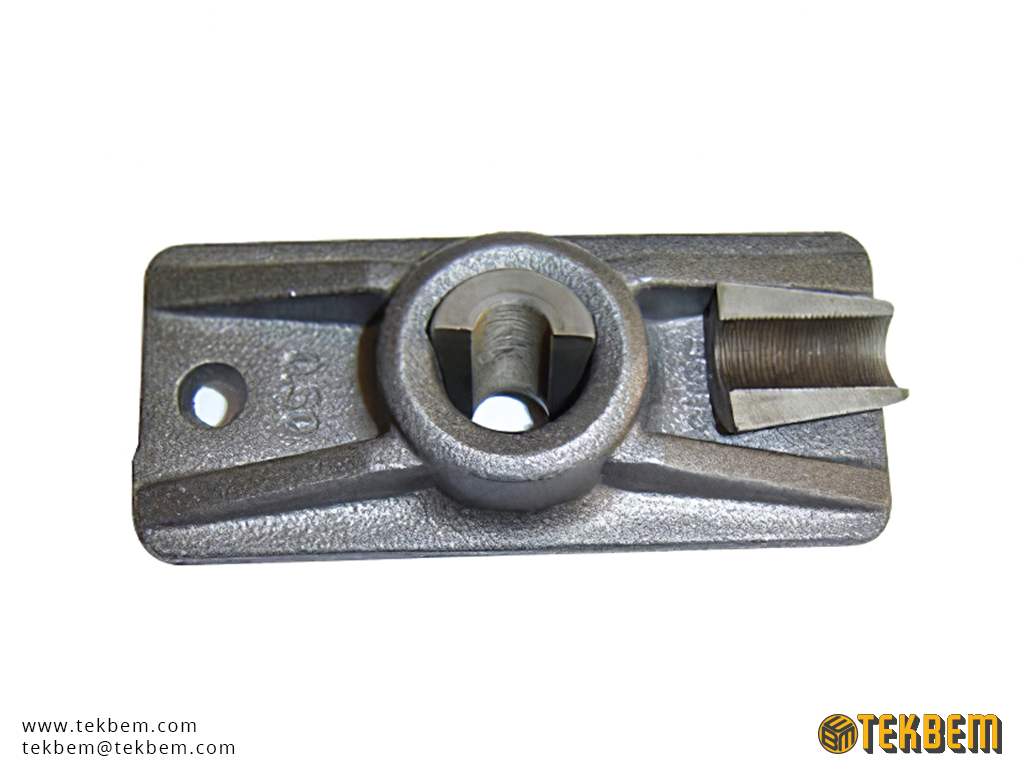
Anchor Plates
A. Graphite Type (As per ASTM A247 Plate I & III)
I. Form I & II (Spheroid or Nodular type)
II. Distribution A (Uniform Distribution)
III. Size: 6 – 8
B. Nodularity: 90 – 95%
C. Carbide: Less than 3%
D. Pearlite: 35 – 40%
Wedges
Hardness
1. At Surface: 56 – 65HRC
2. At Core: 40 – 46 HRC
Material Grade
IS:9175 (Part 20)-1986 Grade 20MnCr5
Mechanical Properties
Hardness Number (BHN): 170 – 230
Material Grade
ASTM A 536 Grade 80-55-06 or IS 1865 Grade SG 500/7
For more information on Post-Tensioning Systems and Bonded Post-Tensioning, please follow the related link on the left, download our Post-Tensioning Systems Brochure or contact us.